
The Journal, page 2
One herb at a time. What it is, where its uses were written down, and who wrote them.
10 articles
podcast
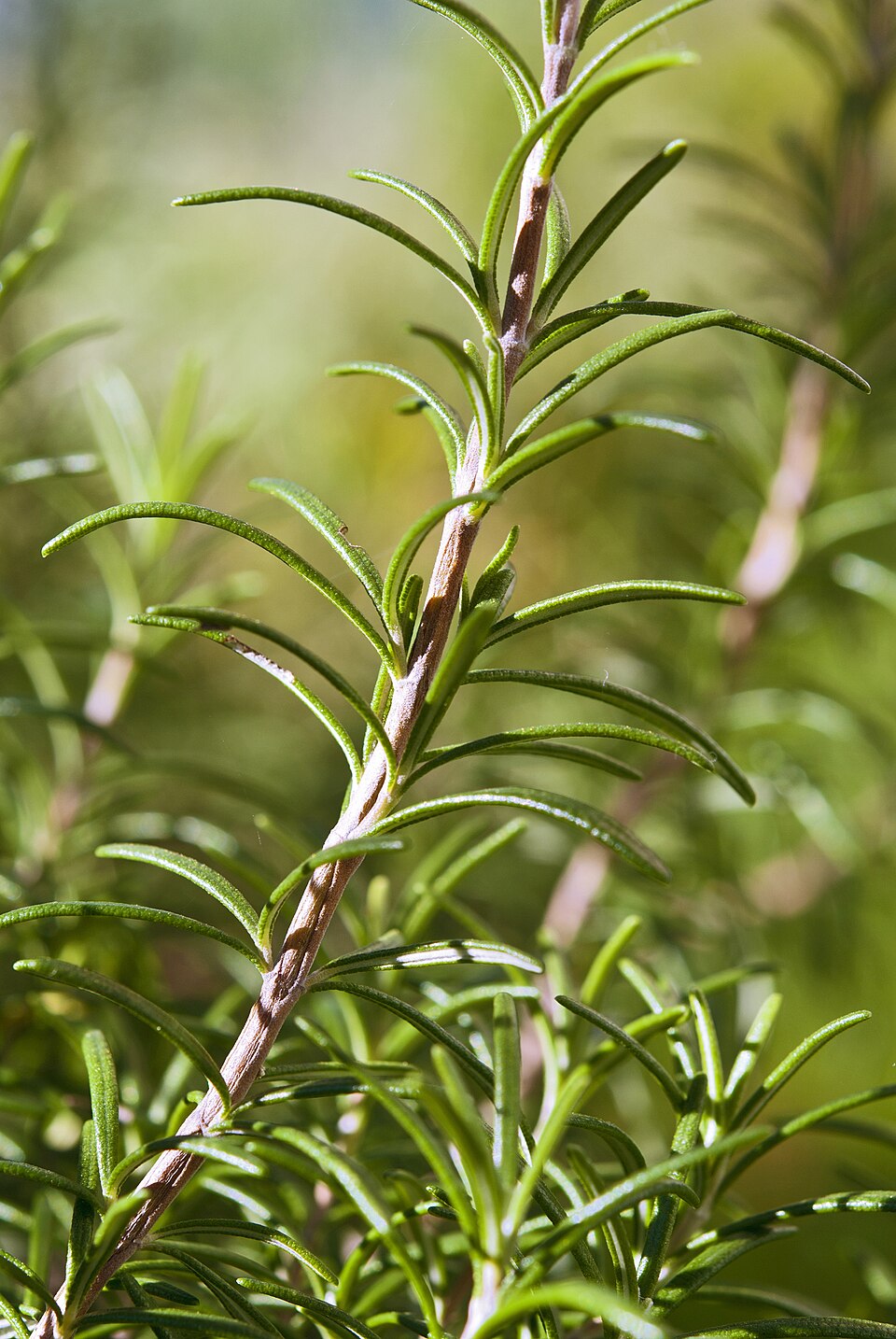
Rosemary Leaf
Rosemary is the herb of remembrance. The European monograph for rosemary leaf lists indigestion and bath water, and says nothing about memory at all.
podcast
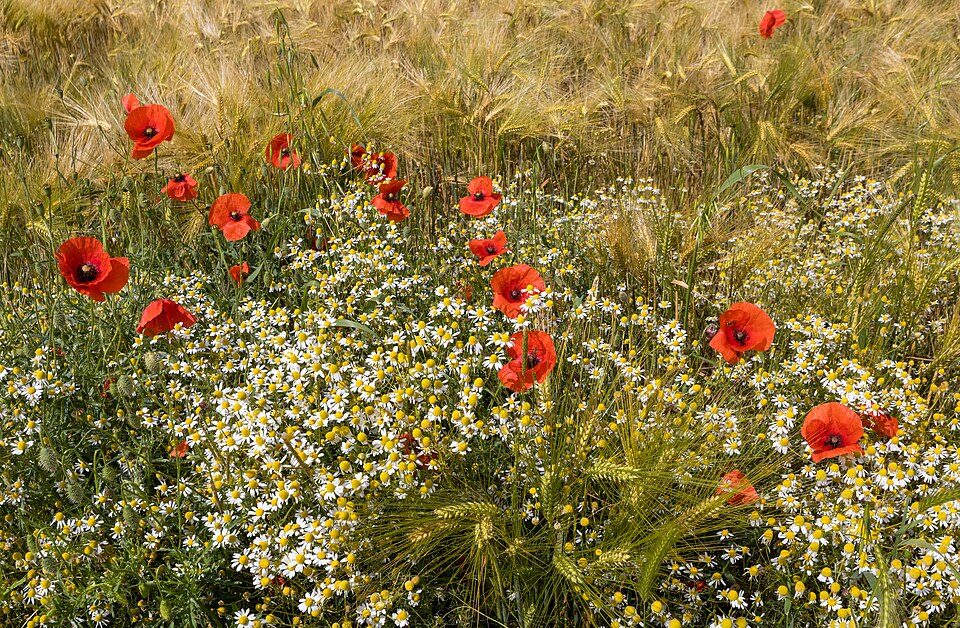
Chamomile Flowers
Chamomile is the most famous sleep herb in the world. The US government's own summary found one study on insomnia, and it showed no benefit. The good evidence is for something else entirely.
podcast
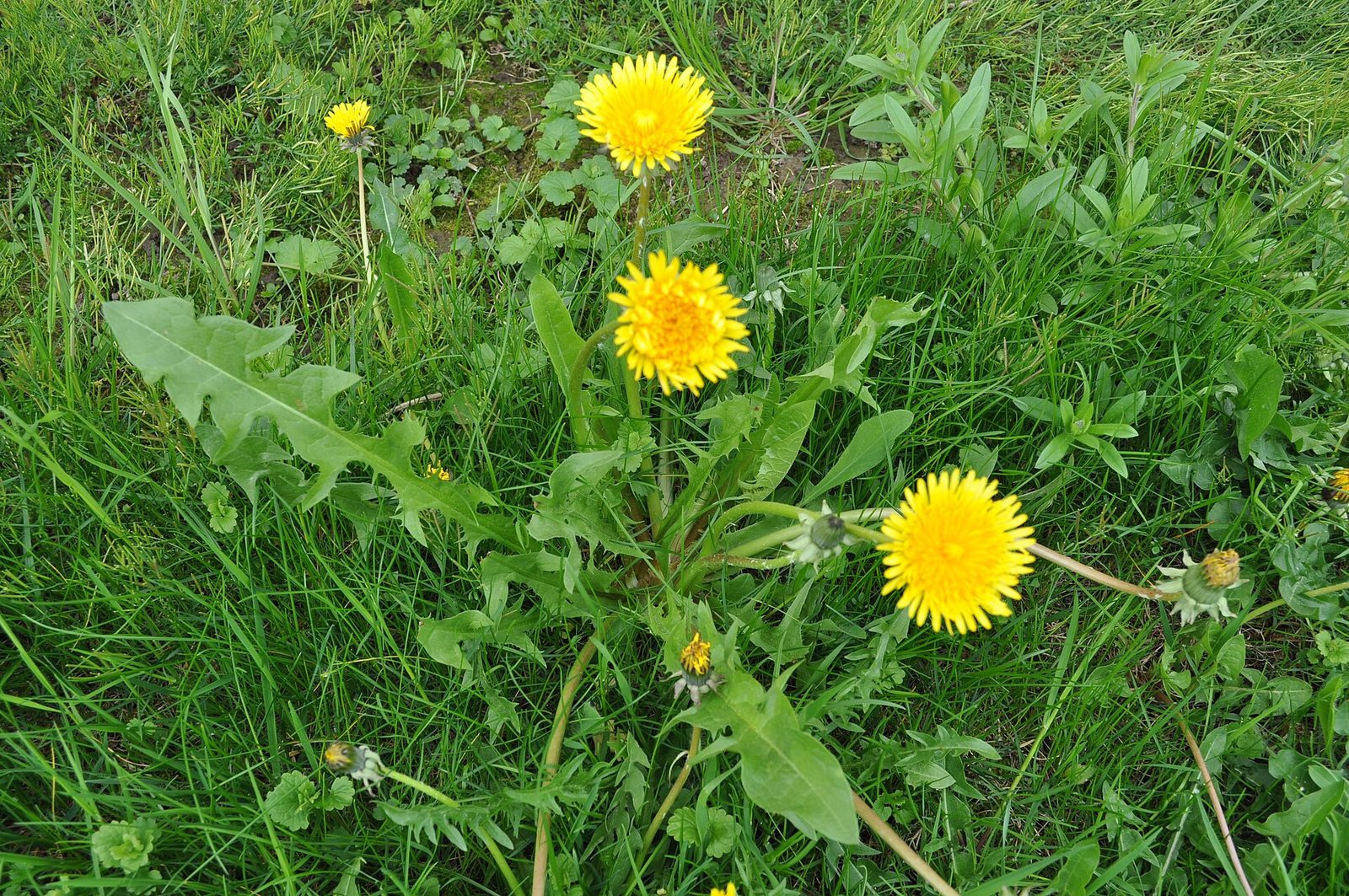
Dandelion Leaf
Most folk plant names guess at how a thing looks. Dandelion has two names, and the older one is an accurate observation about what the plant does to the body.
podcast
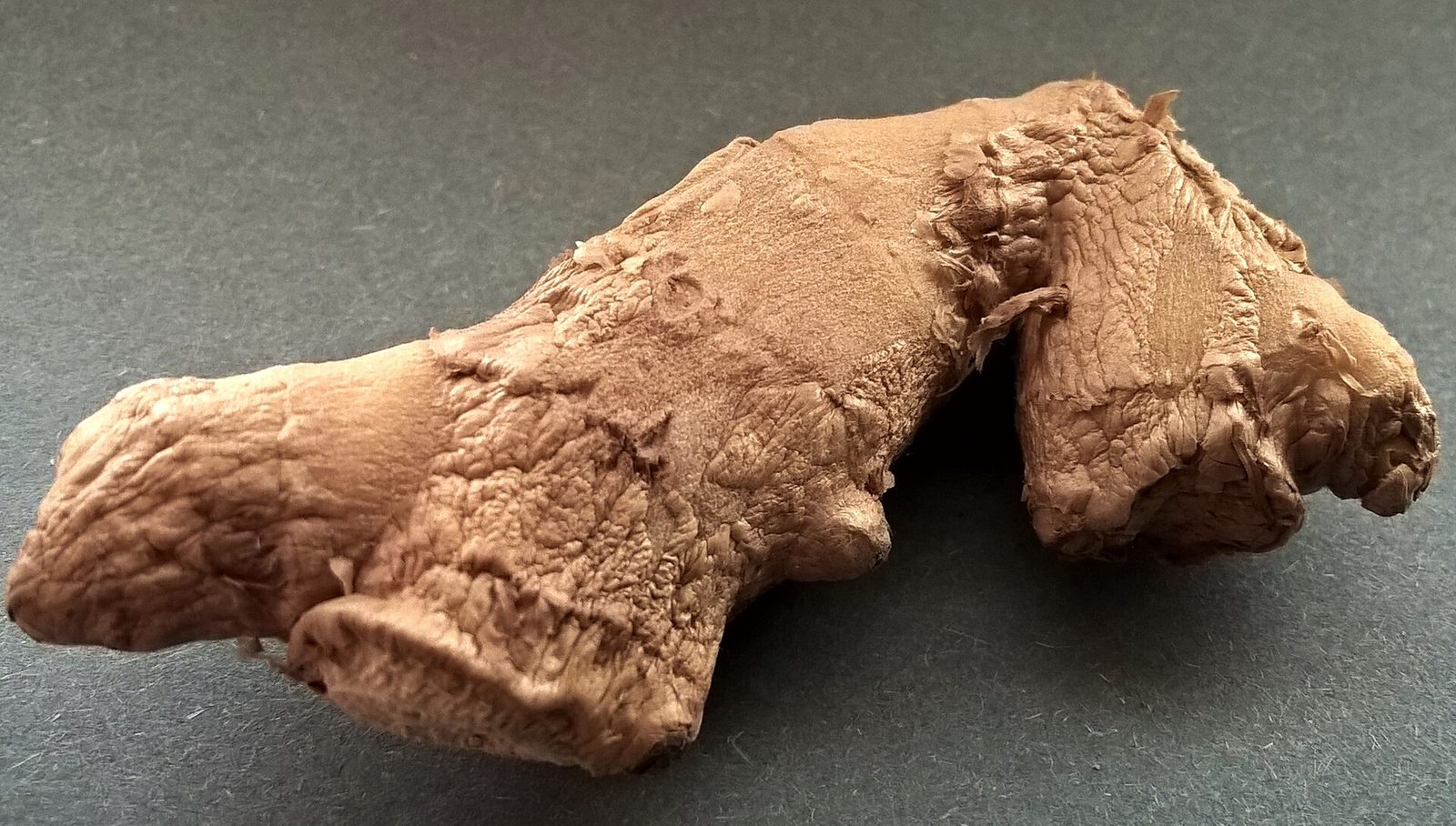
Ginger Root
There is no wild ginger anywhere on earth. Every plant alive is a cutting of a human decision, and the species has no ancestor anyone can name.
podcast
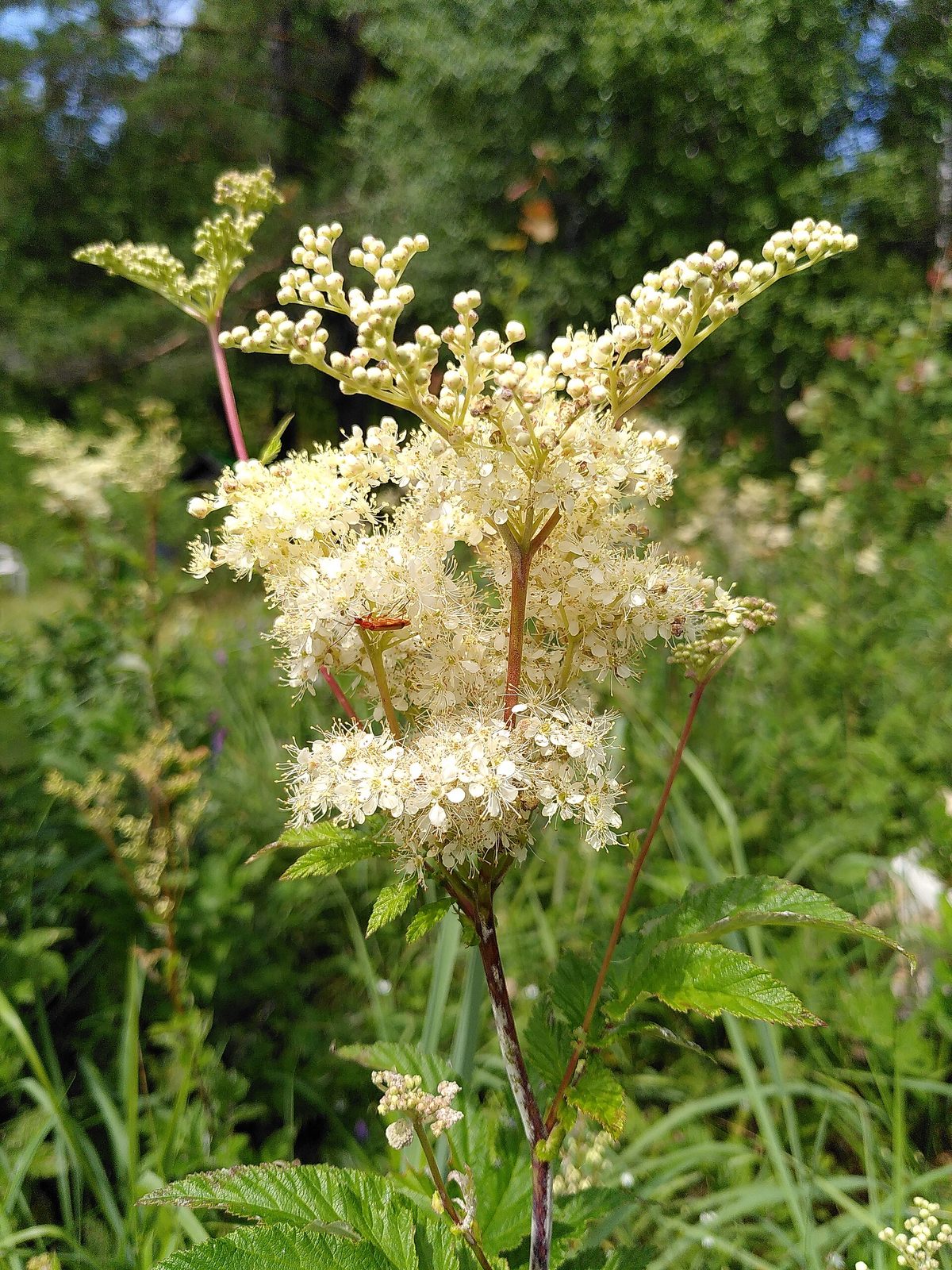
Meadowsweet
Meadowsweet gave aspirin its name but not its first isolation, and Culpeper catalogued the plant while missing the one thing it is now sold for.
podcast
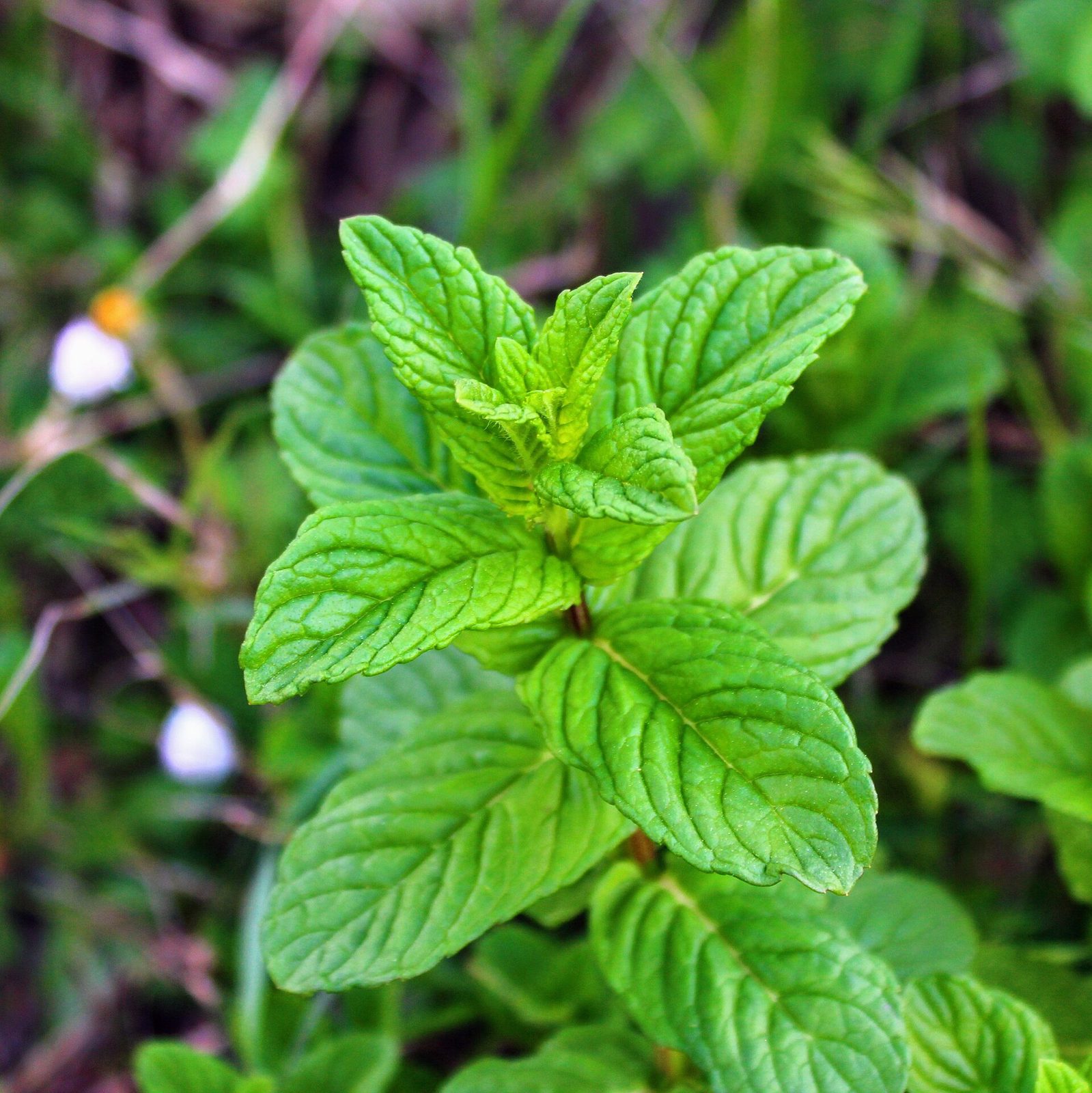
Peppermint
A peer-reviewed paper disproved the claim that peppermint was found in Egyptian pyramids. Two years later it is still printed on tea boxes.
podcast
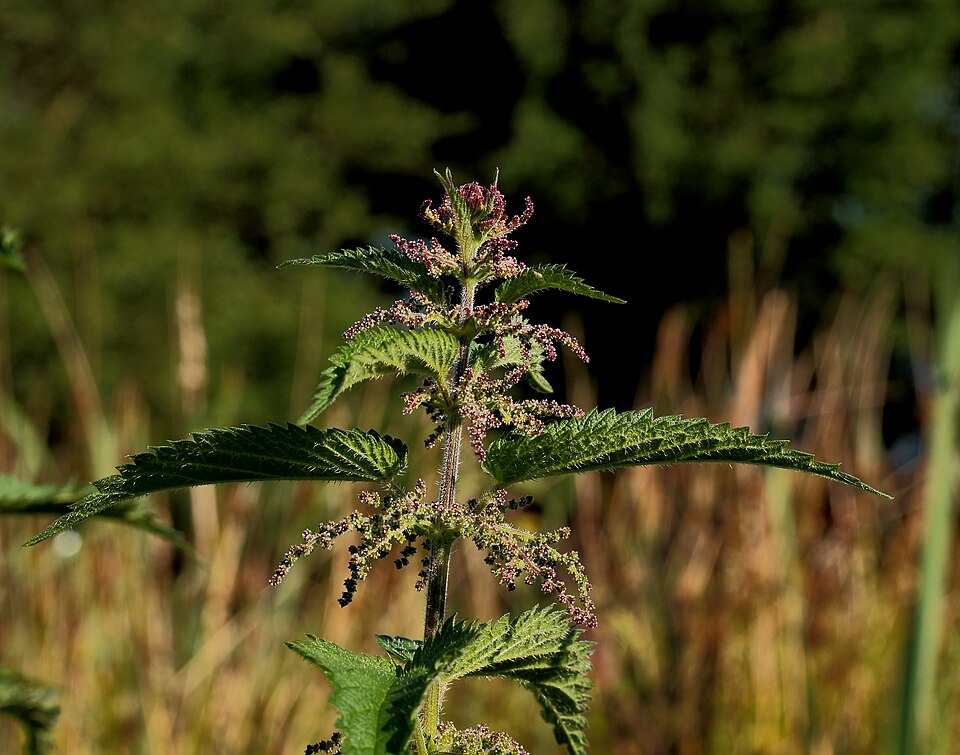
Nettle Leaf
A fairy tale about shirts woven from nettles, a Scottish proverb about housewifery, and a wartime story that everyone repeats and the source denies.
podcast
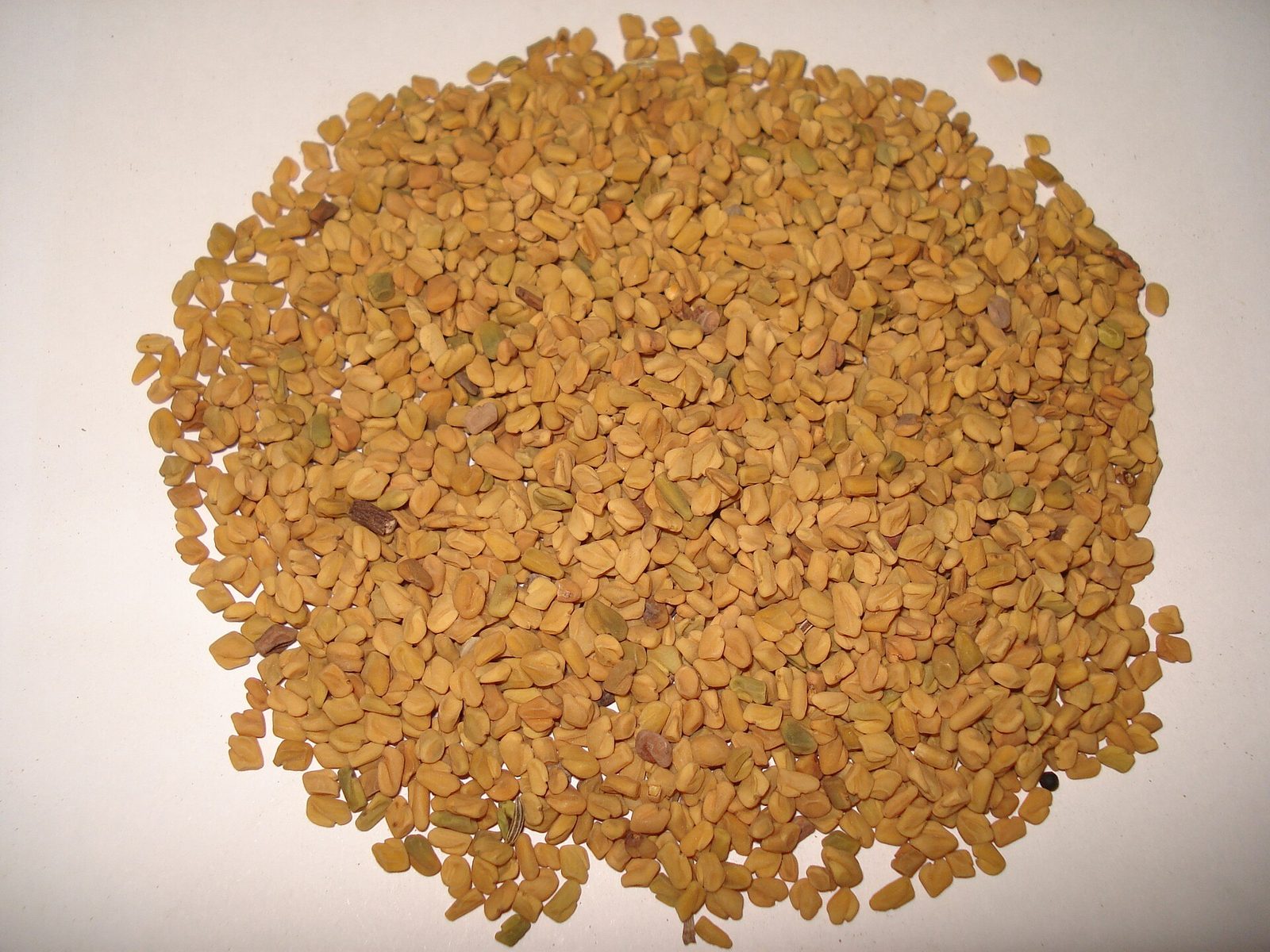
Fenugreek Seed
A seed that smells of maple syrup, a name that means Greek hay, and a citation everybody repeats from a book that does not contain it.
podcast
Rooibos
A pea-family shrub from one mountain range, a red that is manufactured rather than grown, and the ancient tradition behind it that nobody has ever been able to find in the record.
podcast
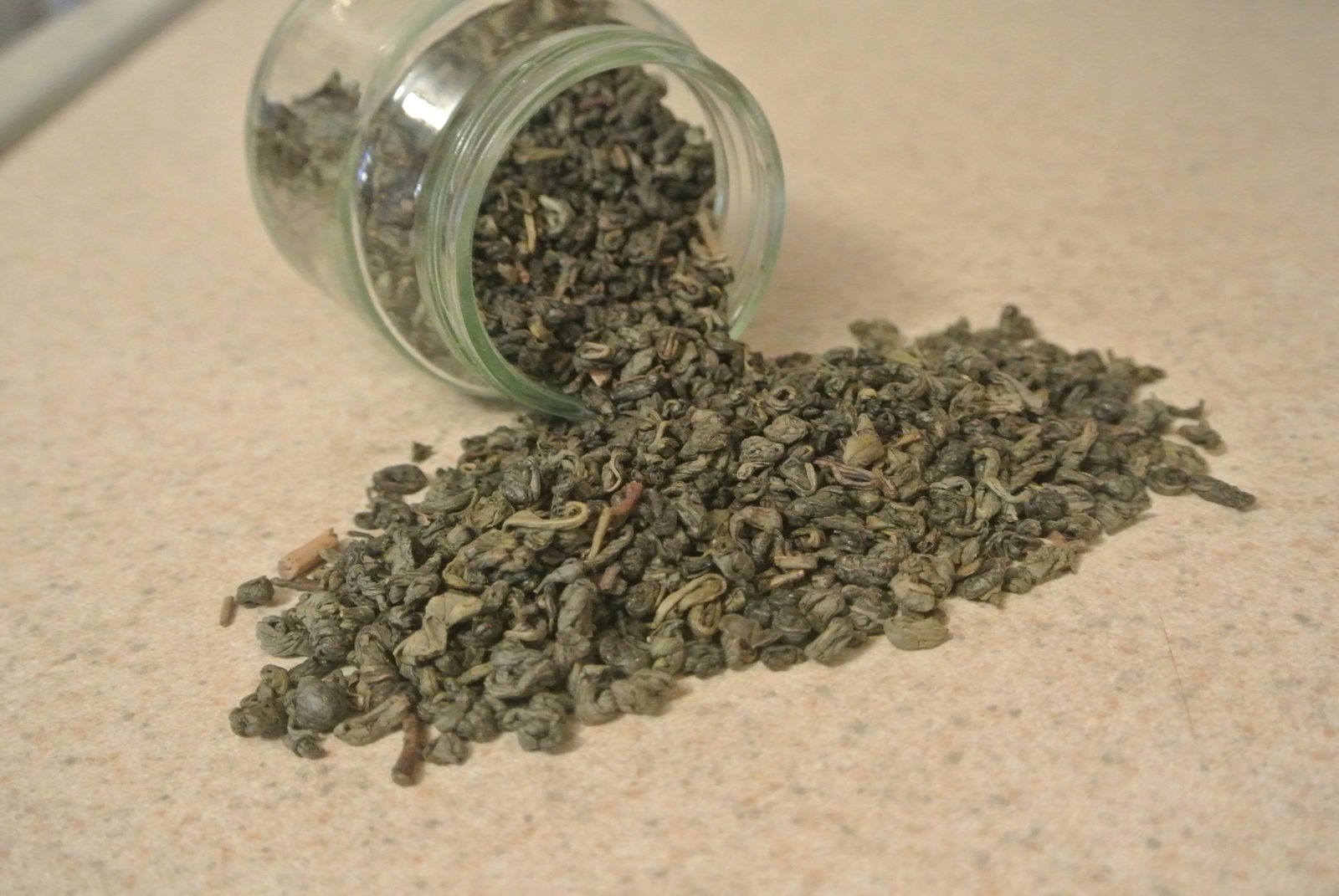
Gunpowder Green Tea
A leaf rolled into pellets, a name that arrived four hundred years late, and the most repeated origin story in tea, which nobody has ever been able to source.

Nothing matches that. Try an herb name.